
The Best Early Skill in Resonance: A Plague Tale Legacy is Aegean Deflect, and You Should Unlock It First
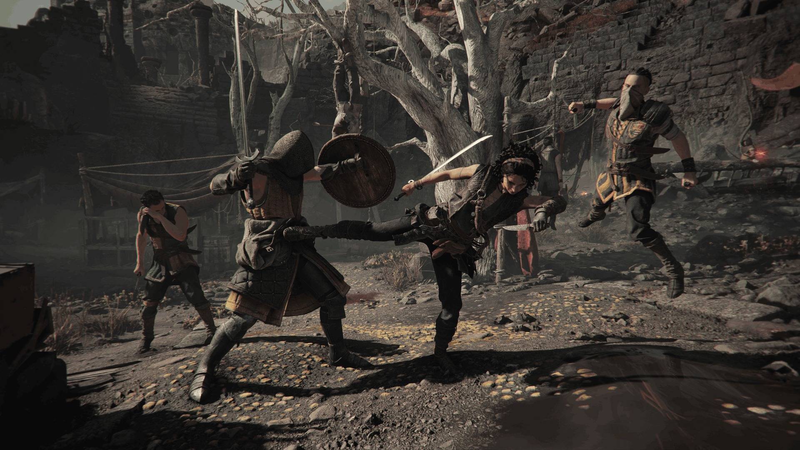
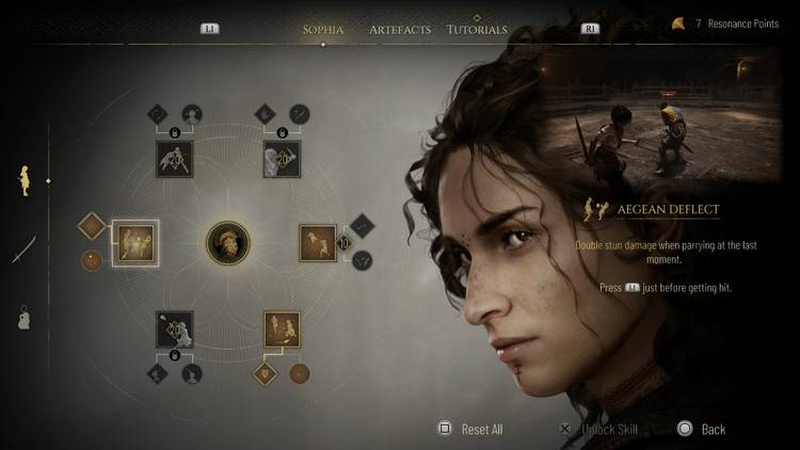
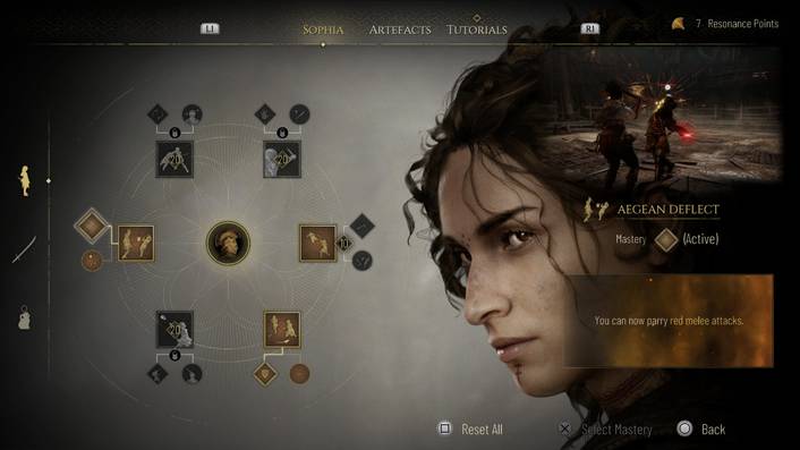
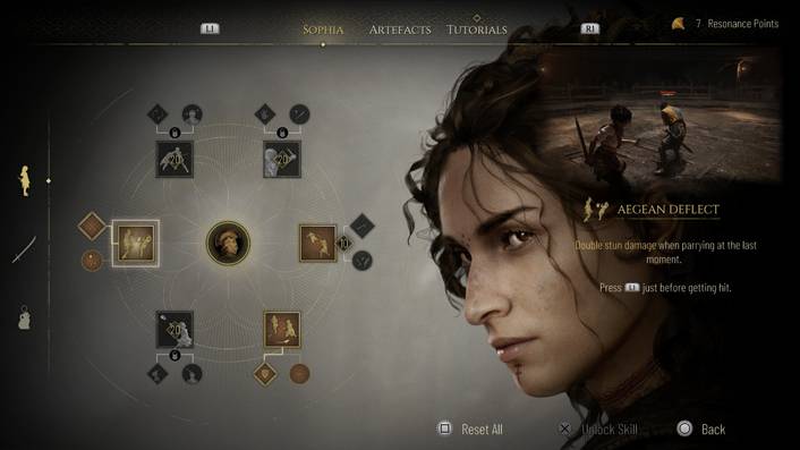
Aegean Deflect isn't just the best early skill in Resonance: A Plague Tale Legacy — it's the skill that fundamentally changes how you approach combat. This upgrade doubles the stun bar fill-up on enemies when you perform late parries, turning what was once a defensive reaction into an offensive opener. If you can invest in its Mastery upgrade — which lets you parry red-glint attacks — you'll effectively neutralize the game's most dangerous enemies before they even get a chance to swing.
The game releases August 27, 2026, and early previews make one thing clear: combat encounters in Resonance demand more than just blocking and swinging. As a prequel following a younger, less experienced Sophia before she becomes the hardened sea smuggler players might recognize, the skill system represents her growth. And knowing which skills to prioritize in those early chapters makes the difference between a smooth journey and a frustrating slog.
Why Aegean Deflect Changes Everything

The core combat loop in Resonance: A Plague Tale Legacy revolves around parrying enemy attacks to build up a stun meter. Once full, you can execute a finishing blow. Aegean Deflect accelerates this process by doubling the stun bar gain on any late parry — meaning you time your block at the last possible moment. That's already valuable against standard soldiers, but the Mastery upgrade makes it essential.
Red-glint attacks are essentially unblockable moves by default. Enemies that use them — particularly the Brute-type enemies with slow, devastating overhead swings — force you to dodge or take massive damage. The Aegean Deflect Mastery removes that limitation entirely. You can now parry those red attacks, turning each of the Brute's telegraphed swings into an opportunity rather than a threat.
This matters most during boss fights. Early previews suggest several pivotal encounters rely on red-attack patterns. Without Aegean Deflect, you're spending those fights dodging and waiting for openings. With it, you're controlling the pace, parrying through the boss's most dangerous moves and filling the stun bar with every successful block.
Hero's Step: Your Escape Plan

While Aegean Deflect solves offense, Hero's Step solves survival. This skill grants a second dodge while maintaining invulnerability frames, effectively giving you two rapid evasions in sequence. On hard difficulty — where enemies are aggressive and corner you frequently — this is a lifeline.
The game's combat encounters often trap you against walls or in tight spaces. Two or more enemies can attack simultaneously, leaving little room to breathe or heal. A single dodge often isn't enough to escape the pressure. Hero's Step lets you cover more ground, reposition, and reset the encounter on your terms.
Its Mastery upgrade — which claims to make you "almost invulnerable" during the dodge — is tempting but situational. The base skill is more than enough for most situations. Save your Resonance Points for Aegean Deflect's Mastery first.
Bullbreaker Kick: The Bonus Option
Bullbreaker Kick is the third skill worth considering, but it's a luxury pick. The default kick in Resonance already lets you push enemies off cliffs or into environmental hazards. Bullbreaker Kick adds a second, more powerful kick that can stun enemies by slamming them into walls.
This is useful for creating space or setting up a quick stun, but it doesn't fundamentally change combat the way Aegean Deflect or Hero's Step do. Get it third, after you've secured the two essential skills and their key Masteries.
How to Gather Resonance Points
Resonance Points are the currency for unlocking skills in Resonance: A Plague Tale Legacy. They're scattered across Minotaur Island — the game's primary setting — and appear as faintly sparkling collectibles in the environment. Some are hidden off the beaten path; others are in deliberately open spaces near main story objectives.
Exploration is the most reliable source. If you're checking corners, side paths, and dead ends, you'll accumulate enough Resonance Points by mid-game to unlock two skills and one Mastery upgrade. Combat encounters occasionally reward points too, but don't rely on them.
The developers at Asobo Studio (correction: Asobo Studio developed A Plague Tale games, not FromSoftware) have designed the skill economy to reward thorough exploration without punishing players who miss a few. If you make a mistake, the game lets you reset skill points, so experimentation isn't punished.
The Bigger Picture: Skills Reflect Sophia's Arc
Resonance: A Plague Tale Legacy is a prequel set before A Plague Tale: Innocence and Requiem. Players take control of a younger Sophia, who will eventually become the capable smuggler from the main series. The skill system mirrors her transformation from a fighter who relies on raw instinct to one who reads combat with precision.
Early skills like Aegean Deflect and Hero's Step represent the foundational techniques she develops before mastering the more advanced abilities seen in later games. This isn't just gameplay progression — it's character development expressed through mechanics. Every time you parry a red attack or dodge through a double assault, you're watching Sophia grow into the woman she's destined to become.
What Comes Next
With Resonance: A Plague Tale Legacy launching tomorrow, players have a clear roadmap for their first few hours. Prioritize Aegean Deflect and its Mastery to dominate combat encounters. Add Hero's Step for survivability. Consider Bullbreaker Kick only after those two are fully upgraded.
For those playing on hard difficulty — where the preview experience suggests enemies are more aggressive and hit harder — these skills aren't optional. They're the difference between struggling through every encounter and feeling like Sophia already has the instincts of the smuggler she'll one day become.




Comments (0)
Loading comments…